

Let’s be honest. Reading the fine print on your banking app feels like deciphering a tax code written by aliens.
One minute you’re trying to move money. The next, you’re drowning in acronym soup—ACH, KYC, AML, RTP. It’s enough to make you want to stash cash under the mattress.
But knowledge is power. And frankly, power is the ability to not get blindsided by a “pending” status when you’re trying to pay rent.
Consider this your decoder ring. We’re slicing through the corporate-speak with the precision of a surgeon and the wit of a late-night host. This isn’t just a glossary; it’s a survival guide for your digital wallet.
We’ll start by translating the ten most cryptic terms you’ll encounter. What’s the real deal with an ACH transfer or an eCheck? Why does your money sometimes look like a ghost in the machine? Understanding the language is the first step to mastering the game of deposits, withdrawals, and every FAQ in between.
Top 25 FAQs (limits, fees, timelines, bonuses, ID, bank statements, partial payouts)
Let’s get to the heart of the matter. Your money is more than just numbers; it’s your freedom. When it’s stuck, it feels personal. We’ve sorted the top 25 issues so you can find your solution and peace.
The Limits Game: It’s Not About You, It’s About Algorithms
Daily withdrawal limits seem unfair, like a strict curfew. But they’re based on risk, not personal preference. Your bank checks your account history and balance. Asking for more is like asking for a financial trust.
Can you change it? Sometimes. You might need to call your bank to prove you’re not a money mule. It’s like a financial trust fall.
Fee Structures: The Fine Print Economy
Returned item fees are like the bank charging you for someone else’s mistake. Overdraft protection has high interest rates. The account agreement is full of financial traps.
Here’s a quick breakdown of common fees that ambush the unwary:
| Fee Type | What It Really Means | Typical Cost |
|---|---|---|
| Wire Transfer Fee | Paying for the “privilege” of speed. ACH is the slower, free cousin. | $15 – $30 |
| Returned Item / NSF | You’re penalized because the other party’s money was a ghost. | $25 – $35 |
| Overdraft Protection Transfer | A fee for the software to move money from savings to checking automatically. | $10 – $12 |
| Certificate of Deposit Early Withdrawal | A brutal penalty for breaking your time-locked promise. | Several months’ interest |
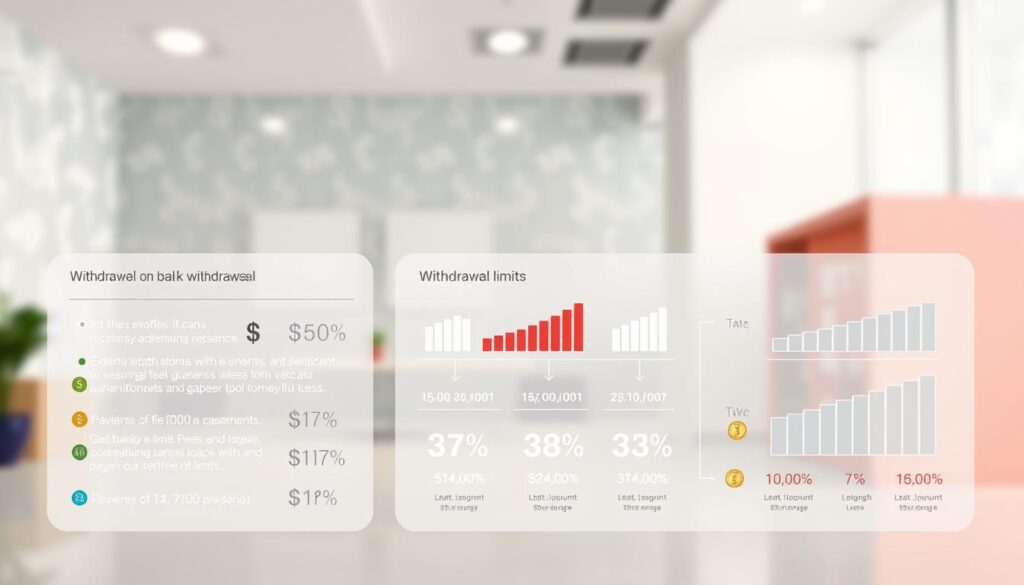
This is the grand illusion. “3-5 business days” means weekends and holidays don’t count. A Friday deposit might not move until Wednesday. Direct deposit is faster because it’s a predictable, pre-authorized file—not a mysterious digital envelope.
The Funds Availability Policy is the rulebook. It explains the hold on that large check. Cut-off times are critical. Submit a transaction at 4:05 PM? It may not exist until tomorrow.
Bonuses: The Catch is in the Playthrough
That sign-up bonus looks like free money. It’s not. It’s a lure with strings attached so complex they’d trap a spider. The “playthrough” or requirement to wager a bonus amount multiple times before withdrawal is the real game. It’s designed so the house always wins.
How long does it really clear? Only after you’ve jumped through every hoop outlined in the promotion’s terms—never before.
The KYC/AML Interrogation: Why Your Utility Bill is Required Reading
Why do they need a scanned driver’s license, a utility bill, and a blood sample? (We’re kidding about the last one… mostly). This isn’t your bank being nosy. This is KYC (Know Your Customer) and AML (Anti-Money Laundering) in action.
Financial regulators worldwide demand institutions verify you are who you say you are and that your funds aren’t funding crime. They might even check your credit report as part of this identity verification. It’s a global dragnet, and your account is a node in the system.
Bank Statements & Partial Payouts
Why a bank statement? It’s a financial diary. It shows consistent cash flow, not just a single, suspicious lump sum. A partial payout feels like a consolation prize. You wanted all your winnings, but you got a portion. Often, this is due to daily limits or a tiered withdrawal process. It’s the system’s way of saying, “You can have some now, but you’ll have to come back tomorrow.”
The Core 25, Categorized for Your Sanity:
- Limits: Daily max, how to increase, differences between ATM and bank.
- Fees: Wire vs. ACH, overdraft, monthly maintenance, foreign transaction.
- Timelines: Deposit clearance, withdrawal processing, bonus posting.
- Bonuses: Wagering requirements, expiration, taxable status.
- ID (KYC/AML): Required documents, verification time, why it’s needed.
- Bank Statements: Why they’re requested, what period is needed.
- Partial Payouts: Why they happen, how to get the rest.
Consider this your strategic briefing. You’re not just moving money. You’re navigating a regulated ecosystem. Now you speak the language.
Visual: The Money Flow From Book → Bank (simple diagram)
Your money doesn’t just disappear from one place to another. It goes on a long journey through the financial system. It’s like a digital journey where your money turns into data packets, going through many checks and approvals.
This journey explains why your deposited check might seem like a ghost in your account for days. It’s not magic—it’s just how things work. Learning about this journey is the first step to understanding your money better.
The diagram above shows this digital journey. It starts when you make a transaction and ends when you can use the money. Let’s follow the path.
First, your deposit goes to the Automated Clearing House (ACH). This is like a financial highway. Your deposit request becomes an electronic message with millions of others. The ACH moves instructions about money, not the money itself.
Here’s where the pending period starts. Your money goes into a waiting area. It’s not fully yours yet, stuck between “initiated” and “completed.” This waiting period creates a frustrating gap between what you can spend and your account balance.
Why does this happen? Banks check if the transaction is real. They make sure the sending account has enough money. This check takes time, usually 1-3 business days for ACH transfers.
The key difference is between available balance and account balance. Your account balance includes all transactions, including pending ones. Your available balance shows only cleared funds. During the pending period, these numbers tell different stories.
Debit card authorization holds create a shadow economy in your finances. A $100 hotel hold might show as pending, reducing your available balance. Yet it hasn’t actually left your account. This temporary hold explains why your math sometimes doesn’t add up.
Deposit cut-off times are daily deadlines. Miss the 5 PM cutoff? Your transaction waits until the next business day to start its journey. This simple timing issue is the main reason for “where’s my money?” frustrations.
The Federal Reserve is like the air traffic controller for electronic payments. It ensures all instructions match up before funds move between banks. This final check ends the pending period.
Checks have a long and hard journey. They must physically travel (as images) to the issuing bank. Each step adds hours to the process. This is why “check is in the mail” is a valid excuse in today’s digital world.
The diagram shows where delays happen. The cut-off time decision point. The ACH batch processing window. The Federal Reserve’s clearing cycle. Knowing these points helps you plan your transactions better.
Your money’s journey is similar to how businesses track their cash flow in a cash book in accounting. Both systems show the difference between recorded transactions and settled funds. Both manage the gap between promise and reality.
This visualization reveals banking’s secret. Instant gratification meets old infrastructure. The system prioritizes security over speed, creating necessary friction. This friction is the pending period—annoying but protective.
Next time you see funds stuck in limbo, remember the journey. Your money is going through digital checkpoints, passing through validation gates, waiting for final clearance. The pending period isn’t your bank holding funds hostage. It’s the financial system doing its job.
With this map, you can deal with banking better. You’ll understand why Friday deposits might not clear until Tuesday. You’ll know why your available balance is the truth while your account balance is hopeful. Most importantly, you’ll see the pending period as a part of a secure system.
Beginner Myths vs Facts
If financial myths were money, we’d all be rich. But, reality is harder to earn. The banking and betting worlds are full of myths, like weeds. Let’s use an analytical tool to cut through them.
Myth: “If it’s pending, it’s gone forever.” Fact: Pending means it’s just waiting. It’s like a background check, making sure you’re not a fraud before giving you the money. It’s like showing your ID at the door.
Myth: A bounced check means you’re a failure. Fact: It’s often just a timing issue. The system flags it if funds aren’t available at that exact moment. It’s not about your worth, but timing.

Myth: Overdraft protection is a safety net. Fact: It’s often a fee-maker in disguise. Banks don’t give it away for free. Knowing your balance is the real protection.
Myth: “Free” checking accounts are really free. Fact: Look closely at the fine print. That “free” status often requires a minimum balance. Your money sits idle instead of working for you.
Now, let’s talk about the casino and sportsbook world.
Myth: “Bank bonuses are free money!” Fact: That “free” $500 is actually a cost for the bank. It comes with a rollover or playthrough requirement. You must bet the bonus amount (often 20x, 30x, or more) before you can cash out.
This isn’t a scam. It’s how businesses make money. The rollover ensures you play long enough for the house to win. Knowing this makes you a smart player.
Myth: Giving your ID for KYC is an invasion. Fact: It’s a way to stop money laundering and fraud. In a world of digital secrets, this proves you’re real. Your ID is checked to make sure you’re you.
Here’s the real story versus the myths:
- Cynical Truth: Financial institutions aim to make money.
- Uninformed Fear: They’re out to get you personally.
- Cynical Truth: Bonus rollover ensures the company gets value.
- Uninformed Fear: The requirements are just to make you lose.
- Cynical Truth: Fees are clearly stated, even if in small print.
- Uninformed Fear: Hidden fees will surprise you without warning.
Knowing the truth empowers you. When you see “35x playthrough,” you don’t freak out. You do the math. When you see “minimum balance required,” you consider the cost. You become the expert, not the victim.
Financial literacy isn’t just about knowing terms. It’s about understanding the system. Now that we’ve debunked myths, you’re ready to deal with the system wisely.
Downloadable Cheat Sheet and Support Links
Think of this as your financial cheat sheet. It’s a one-page guide that simplifies banking. You shouldn’t need a law degree to manage your money. That’s why we’ve made a single PDF with all the deposits & withdrawals FAQ answers.
This guide is like having the answers on your hand for a test. It has all the important terms, timelines, and warning signs. No more late-night Google searches when you’re stuck on a withdrawal.
But a cheat sheet only works if you know the rules. In the world of online finance, finding the official help is key. We’re helping you find the right resources.
Here’s your financial self-defense kit:
- The Consumer Financial Protection Bureau (CFPB) Complaint Portal: This is where you file a formal complaint if your bank is unfair. It’s like calling the manager, but with real power.
- The FDIC Insurance Calculator: This tool shows how much of your money is safe. It’s like a financial security blanket you didn’t know you needed.
- Bank Account Agreement Templates: The fine print is important. These templates show you what a fair agreement looks like. They help you spot bad clauses.
This isn’t about memorizing stuff. It’s about empowerment. Having these resources ready is like having a fire extinguisher in the kitchen. You hope you never use it, but you’ll be glad it’s there.
In a world full of financial misinformation, your best defense is direct access to the truth. Download the cheat sheet, save these links, and turn your deposits & withdrawals FAQ worries into action.
When to Pause and Seek Help (resources)
Here’s the final piece of wisdom: know when you’re out of your depth. There’s a big difference between a normal fee and a predatory one. It’s like spotting a bad actor in a low-budget thriller.
A bright red flag? Being pressured to cancel a reverse withdrawal. This is a major warning sign in some industries. If fees are causing overdraft loops and draining your account, it’s time to seek help. Don’t just complain to the void.
This is where you move from analysis to action. The smartest move isn’t always a clever hack. Sometimes it’s calling in the experts. Real-world resources exist.
Non-profit credit counselors, like those from the National Foundation for Credit Counseling, provide guidance. The Consumer Financial Protection Bureau (CFPB) is a legitimate tool for filing disputes against billing errors, fraud, or identity theft.
Document everything. Treat your dispute like a legal brief for a very boring court. If a company fights a legitimate reverse withdrawal or ignores unauthorized transactions, the CFPB has your back. Your economic health isn’t a solo game.
Recognizing elder financial exploitation means protecting more than just your balance. It’s about safeguarding your entire economic story.