

Handing over your cash and personal details to a mobile gaming platform can feel risky. It’s like trusting a street magician with your wallet. The excitement is there, but so is that nagging doubt.
In today’s digital world, your safety is key, not just a bonus. With so many apps out there, finding trustworthy ones can be tough. It’s like trying to make a last-second parlay.
This isn’t just a list of rules. It’s your guide, written from experience. We mix tough analysis with a bit of humor. Protecting your assets should be interesting, not a hassle.
We’ll cover the important safety steps, from legal details to digital protection. Our aim is to make sure you’re always the winner. You keep what’s yours safe.
Verify Licensing and Secure Domains
Before you install, check if it’s legit. This is a two-step process. It separates the good from the bad. Get it wrong, and your betting plan fails before you start.
A gambling license is like a digital passport. It shows a government has checked and approved the site. Places like New Jersey, Pennsylvania, and the UK have strict rules.
They ensure games are fair, money is safe, and players are protected. So, where’s the passport stamp? Look in the website’s footer or ‘About Us’ section. If it’s hard to find, that’s a warning sign.
But a license isn’t everything. Good sites also get third-party audits. Firms like eCOGRA check if games are fair. This compliance certification is like a health report for your bets.
Next, check the web address. A secure site always starts with `https://. You should see a padlock icon. No padlock? Your details are not safe.
Also, check the URL. Is it the real site’s address? Scammers use fake sites like `bet365-offers.net. Trusting these is risky.
| Checkpoint | Legit Operator | Sketchy Site |
|---|---|---|
| License | Clearly displays a license from a known jurisdiction (e.g., NJ DGE, UKGC). | No visible license, vague references to “international licensing,” or licenses from obscure locations. |
| Domain Security | Uses `https://` with a padlock. URL matches the official brand name exactly. | Uses `http://`, has no padlock, or uses a slightly misspelled/brand+keyword URL. |
| Third-Party Certification | Shows seals from independent auditors like eCOGRA, iTech Labs, or GLI. | No independent certifications or displays fake “award” badges. |
| Transparency | Easy-to-find ‘About Us,’ ‘Terms,’ and ‘Privacy Policy’ pages with real company info. | Legal pages are hidden, filled with jargon, or lack concrete company details. |
This step is key. Skipping it risks your money. The house edge shouldn’t include the risk of the house itself disappearing. For more, see our guide to checking a gambling operator’s.
In short, your security & privacy betting checklist starts here. No valid license plus a secure domain means no download. It’s that simple. This step filters out the frauds, letting you focus on the real game.
App Hygiene: Official stores only, auto-updates, permissions audit
Think of your smartphone as a high-stakes vault. The apps you install are like the people you let inside. Your app store—Google Play or the Apple App Store—is the only place with a good guest list and a working metal detector. Downloading an app from anywhere else is like handing a stranger your keys and hoping they’re just a locksmith enthusiast.
These third-party sites and direct APK downloads are the breeding grounds for fake apps. They’re convincing replicas, designed to phish your login details and steal your funds. The irony is delicious. You’re trying to place a bet, but the house has already rigged the game against you.
So, rule number one is non-negotiable. Download exclusively from official stores. These platforms aren’t perfect, but their verification procedures act as a first filter. It’s the difference between buying a watch from a reputable jeweler and a guy in a trench coat.
| Source | Security & Verification | Risk Level |
|---|---|---|
| Official App Store (Google Play/Apple App Store) | Basic developer vetting, malware scanning, user review system. Uses advanced encryption for downloads. | Controlled. The baseline standard. Not flawless, but the safest starting point. |
| Third-Party “APK” Website | Little to no oversight. Files are often repackaged with malicious code. Source is frequently anonymous. | Extreme. The primary vector for fake apps and malware. An invitation to be hacked. |
| Direct Link from Email or Social Media | Zero verification. This is almost always a phishing attempt targeting betting app users. | Critical. This isn’t a shortcut; it’s a trapdoor. Avoid at all costs. |
Once you have the legitimate app, don’t just set it and forget it. Turn on auto-updates. Those periodic patches aren’t just for new emoji packs. They often contain critical security fixes for vulnerabilities that hackers love to exploit. Ignoring an update is like knowing your front door lock is broken but deciding to fix it “later.”
Lastly, conduct a ruthless permissions audit. Open your phone’s settings, find the app, and look at what it’s asking to access. Why does a sportsbook need your contact list? Why does it want microphone access? Are you planning to whisper your parlays to Alexa?
Be merciless. If a permission isn’t absolutely essential for the app’s core function—like location for checking in-state legality—deny it. A clean, lean app is a harder target. This is digital minimalism for your own safety. Grant permissions with the same skepticism you’d apply to a stranger asking for your social security number. Your phone’s integrity depends on it.
Strong Auth: Password manager + 2FA, device lock, SIM-swap awareness
Think of your betting account security as a series of checkpoints in a high-stakes heist movie. The password is just the first lobby. You need the vault door, the laser grid, and the fingerprint scanner. This is where strong authentication lives.
Let’s be brutally honest. Reusing your “Fluffy123” password across sites is an open invitation. A breach at some random forum now hands thieves the key to your betting balance. The solution isn’t a better memory; it’s outsourcing the job.
Enter the password manager. It’s your digital security concierge. It generates and stores long, complex, and unique passwords for every single account you have. You only need to remember one master password—make it a formidable passphrase. This single tool nullifies the domino effect of data breaches. One site falls, the others stand firm.
But even the best password can be stolen. This is where your second layer, your digital moat, comes in: Two-Factor Authentication (2FA). When enabled, logging in requires your password and a second proof—usually a time-sensitive code from an app like Google Authenticator or Authy.
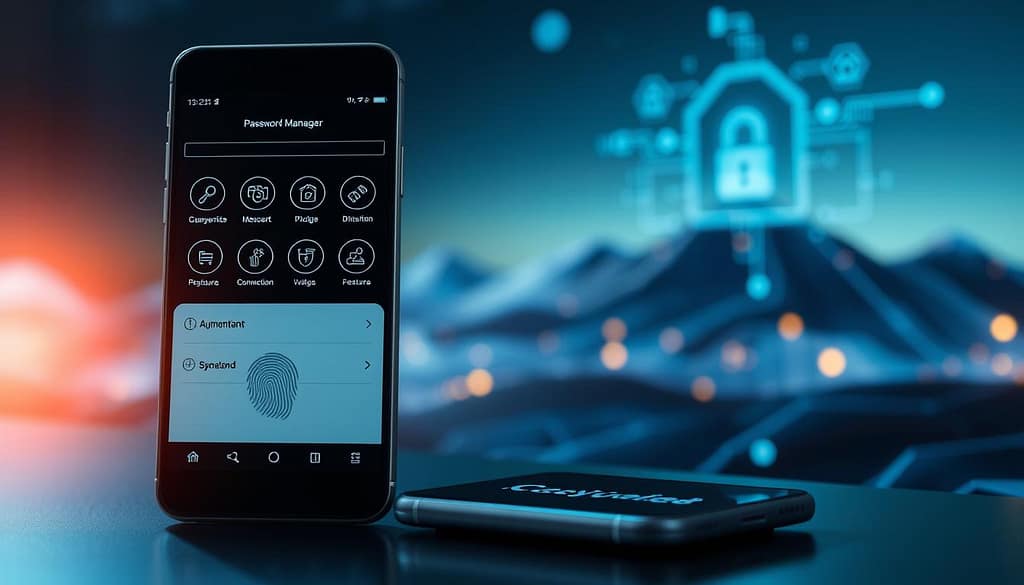
It means a hacker needs not just your digital key, but physical possession of your phone. It’s the difference between a lock and a lock with a guard. Enable 2FA on your betting app, your email, and your password manager itself. This creates a powerful security chain.
Your device is the fortress holding these keys. A weak device lock undermines everything. Use a strong PIN, fingerprint, or face ID. This is your personal biometric checkpoint, ensuring you’re the only one holding the gate keys.
Now, about that phone. Savvy criminals use a trick called a SIM-swap scam. They socially engineer your mobile carrier to port your number to a new SIM card they control. Suddenly, your SMS-based 2FA codes go to them. The fix is simple but critical.
Call your mobile carrier right now. Ask to add a port-out PIN or account security PIN. This is a separate code required before anyone can make changes to your account. It’s like putting a secret password on your phone line itself. With a password manager, robust 2FA, a locked device, and a secured SIM, you’ve built a security detail for your digital identity that would make any movie thief reconsider.
Banking Safety: Avoid public Wi‑Fi, VPN cautions, masked cards/PayPal
Think of your betting app transactions as a high-stakes diplomatic mission. Every connection point needs a secure, encrypted tunnel. Not the digital equivalent of shouting your credit card number across a crowded airport terminal.
Public Wi-Fi is the digital wild west. That free connection at the coffee shop or airport lounge? It’s barely more secure than a postcard. Anyone with modest technical skills on the same network can intercept data packets. They can see login attempts, capture deposit details, and map your financial behavior.
Never place a bet or make a deposit on public Wi-Fi. It’s that simple. If you must transact on the go, switch to your mobile data plan. Your cellular connection provides a more direct, encrypted path to your carrier, creating a natural barrier that public networks lack.
Now, let’s talk VPNs. Yes, a Virtual Private Network masks your location and encrypts traffic. But here’s the catch: using one to access a betting site from a restricted area violates the platform’s terms of service. It can trigger automated fraud alerts. The system might see a login from a VPN server in another country and freeze your account. Suddenly, your funds are in limbo during a “security review.”
The smart move is adding layers of abstraction between your money and the betting platform. This isn’t about distrust—it’s about intelligent design. Your primary checking account shouldn’t have a direct line to your sportsbook.
Use payment proxies. Services like PayPal, Apple Pay, or Google Pay act as intermediaries. They complete the transaction without ever revealing your actual card number to the betting merchant. It’s like using a financial body double.
Even better: explore virtual card numbers. Many banks and services like Privacy.com offer “masked” or “burner” cards. You generate a unique card number for a single merchant or transaction. If that number is compromised, it doesn’t affect your real account. Think of it as a digital witness protection program for your finances.
| Method | Security Level | Risk Profile | Best Use Case |
|---|---|---|---|
| Public Wi-Fi | Very Low | High – Data interception is trivial | Avoid completely for any financial activity |
| Mobile Data | High | Low – Carrier-grade encryption | Essential for transactions on the go |
| VPN | Medium-High | Medium – May violate TOS, trigger flags | General web browsing, not for regulated betting apps |
| Payment Proxies (PayPal/Apple Pay) | Very High | Very Low – Actual card details hidden | Primary method for all deposits and withdrawals |
The goal is minimizing your attack surface. Each buffer you create—a separate email for betting, a dedicated PayPal account, virtual card numbers—reduces how much exposure your core financial life has. If one layer is breached, the others remain intact.
This approach aligns with formal AML (Anti-Money Laundering) compliance programs that reputable financial partners require. It shows you’re not just gambling; you’re transacting with purpose and protection. For more on monitoring your transactions, review common fraud prevention strategies to stay ahead of unusual activity.
Remember: banking safety isn’t about living in fear of digital pickpockets. It’s about architecting your financial interactions so that even if someone gets past the first gate, they find another, and another, before reaching anything valuable.
Spotting Scams: Phishing, fake support DMs, clone sites
Spotting scams today is like being a detective. You need to spot the one thing that doesn’t fit. Scams are sneaky and try to look like real services you trust. Your best defense is being very careful and skeptical.
Let’s look at the three main scams targeting betting app users. They are like different parts of the same bad play.
Phishing: The Urgent Soliloquy. This scam is like a fake email or text from your betting app’s security team. It says “URGENT: Account Verification Required!” The message looks real, with a perfect logo and almost correct link. Almost.
The URL might have a small mistake or use the wrong domain. Clicking it takes you to a fake login page to steal your login info. Never click on a link from an unsolicited message. Instead, open your betting app directly from its icon on your device.
Fake Support DMs: The Method Actor. You tweet about a login problem, and soon, a “support agent” from “@BetHelp_Official” contacts you. They seem helpful but ask for your username and password. This is a scam.
Real customer support will never ask for your password. These fake accounts pretend to be real brands on social media. They count on your frustration to make you ignore your doubts. Always use the app’s official support channel.
Clone Sites: The Digital Doppelgänger. This scam is very sneaky. Scammers make a fake version of a real betting site. The only difference is the URL. It’s like a game of “Spot the Difference” with your money at stake.
You might get to the fake site through a bad ad or a wrong URL. To protect yourself, bookmark the official site and always check the URL in your browser’s address bar.
| Scam Type | Hallmarks & Delivery | Immediate Action |
|---|---|---|
| Phishing | Urgent emails/SMS with slightly wrong links (“securtiy@site.com”). Fake login portals. | Do not click. Manually navigate to the official app or website. |
| Fake Support | Unsolicited DMs on social media promising help. They ask for your login details. | Ignore and block. Use only the help section inside the verified app. |
| Clone Site | A perfect copy of a real site with a fake URL (e.g., .net instead of .com). | Always verify the URL in your browser. Use bookmarks for trusted sites. |
To stay safe before downloading an app, do some research. Look up reviews on independent forums and app stores. Check if there are any common complaints about unexpected emails or poor support.
Look for patterns in reviews. A good site will have a positive track record. It’s not about finding perfection. It’s about spotting warning signs. If something seems too good to be true, it probably is. Your wallet will thank you for being cautious.
Data & Privacy Settings to Review (tracking, marketing)
Privacy settings in betting apps are often hard to find. But they are key to your online freedom. While you’re focused on betting, these apps collect your data. They use it to learn about you.
Your data is like money to them. Every action you take is tracked and used. It’s important to manage your data like you manage your bets.
Look in the app’s settings menu for privacy options. In “Privacy” or “Account Preferences,” you’ll find important settings. Two settings are critical:
- Personalized Advertising: Turn this off. You’ll see ads, but they won’t be based on your betting history. It’s like playing against a dealer who doesn’t remember your tells.
- Data Sharing with Partners: Limit or disable this. Your betting patterns shouldn’t be used for market research by affiliates.
California’s CCPA law helps you. It gives you rights like knowing what data is collected and asking for it to be deleted. In the U.S., your security & privacy betting rights are stronger than you might think. A platform’s compliance shows how much they value your privacy.
The privacy policy is long and hard to read. But it’s worth skimming. Look for what they track:
- Your betting patterns and frequency
- Device information and location data
- Transaction histories and deposit methods
- Customer support interactions
This isn’t just about avoiding spam. It’s about keeping your data safe. The less a company knows about you, the less can be stolen in a hack. Your betting app shouldn’t know more about you than your partner.
Marketing permissions can be sneaky. Many apps default to sending you promotions based on your activity. This can lead to a cycle of betting more to get offers. Managing these settings can break this cycle.
Your data might show things you’d prefer to keep private. For example, late-night bets or frequent deposits. This data can paint a picture of you that you might not want shared.
This work is the quiet side of security & privacy betting. There’s no immediate reward. But it’s what keeps you safe. Protecting your information is like placing a bet against future vulnerability.
Check these settings every quarter. Apps and policies change, and new tracking methods emerge. Your attention here is key to your security & privacy betting strategy. It’s not about being paranoid; it’s about keeping control in a system designed to take value from you.
Transaction Monitoring: Alerts, statements, unusual activity playbook
Watching your betting transactions is not about being paranoid. It’s like being a casino pit boss, always on the lookout for cheats. Your careful review is key to catching what machines might miss. It’s not just about keeping your finances safe—it’s about being your own watchdog.
First, turn on all alerts from your bank and betting app. This includes deposits, withdrawals, and logins from new devices. These alerts are like your early warning system, catching problems early.
Make it a habit to check your statements weekly. Your bank statement and betting account history should get the same attention as your fantasy team’s stats. If you see a $50 withdrawal you didn’t authorize, that’s a red flag. Also, if you notice deposits that trigger the app’s AML systems, it’s time to understand the patterns.
Modern betting platforms have systems that flag big or unusual activity. But you also need to set your own personal limits. What’s unusual for you? A $500 deposit when you normally bet $50? A withdrawal to a new bank account? Your mind should always be on the lookout.
If you notice something odd, you need a plan. Not a frantic scramble, but a well-thought-out action plan. This turns you from a passive victim to an active defender in no time.
| Suspicious Activity Type | Immediate Action | Follow-up Protocol |
|---|---|---|
| Unauthorized withdrawal from betting account | Change your password immediately via official app | Contact app support through verified channels; document everything |
| Deposit you didn’t authorize on bank statement | Freeze betting account transactions if possible | Dispute charge with your bank; provide transaction IDs and timestamps |
| Login alert from unfamiliar device/location | Enable 2FA if not already active; review recent sessions | Check for SIM-swap attempts with carrier; update security questions |
| Multiple small deposits hitting AML thresholds | Review your own deposit history for patterns | Understand app’s AML policies; contact support if flags seem erroneous |
| Betting account balance doesn’t match your calculations | Screenshot current balance and recent transactions | Compare with bank statements; look for missing withdrawals or bonus adjustments |
This proactive approach makes transaction monitoring a strategic advantage. You’re not just checking boxes—you’re building financial awareness. You know your patterns, rhythms, and tells better than anyone.
When something doesn’t add up, you act fast. No hesitation, no confusion. You’ve practiced this drill every time you reviewed your statements. That $50 discrepancy is a case you’re already solving.
Think of it like a sports team reviewing game footage. Your transaction history is your financial game footage. Study it, learn from it, and spot the plays that don’t belong. That’s how you stay ahead—not just of fraudsters, but of your own financial blind spots.
Close & Reopen: How to secure an account after a scare
Ever feel a shock when you see a strange login alert or a phishing email? It’s more than just fear—it’s a call to action. Think of a security scare as a must-do update for your digital safety.
First, take a step back. If you see a login from a place you’ve never been, don’t just change your password. Use the app’s self-exclusion or temporary lock feature. It’s like locking your vault while you check what’s going on.
After the danger is gone, it’s time to rebuild. And it starts with your hardware. Your device security is key. Never try to fix your security on a possibly compromised device.
Use a trusted computer or tablet for your security check. Make sure its operating system is up to date. Run a full antivirus scan on your main device. You’re not just logging back in; you’re doing a thorough digital check.
- Password Overhaul: Create a new, complex password through your manager. This password must be new and strong.
- 2FA Reset: Check your authentication app or SMS settings. Remove any unknown devices. Then, re-link your 2FA for a fresh start.
- Payment Purge: Look over every saved payment method. Remove old debit cards and unused PayPal logins. This reduces your risk.
- Full Settings Audit: Review all your privacy and notification settings. It’s your chance to check everything after the scare.
This approach turns panic into a clear plan. The table below shows how your mindset changes:
| Panic Mode Reaction | Strategic Reset Action |
|---|---|
| Ignore the alert, hope it’s a mistake. | Immediately trigger the app’s temporary lock or self-exclusion. |
| Change password hastily on the same device. | Use only a verified, secure device for all recovery steps. |
| Disable 2FA because it’s “too hard” right now. | Reset and reinforce 2FA, ensuring no rogue devices are attached. |
| Leave all old payment methods linked “just in case.” | Aggressively prune unused payment options from your account. |
Reopening your account after this process is not simple. It’s a stronger, safer re-entry. You close it with concern. You reopen it with confidence.
Family Controls: Kids/teens device restrictions
Parental controls are more than just blocking cartoons. They’re like locking the liquor cabinet in a house full of curious kids. Your betting app is like a financial vault. In a house with shared devices, anyone can easily access it.
This isn’t about being suspicious. It’s about creating a safe digital environment. The goal is to stop what the industry calls “friendly fraud“—when a kid or teen accidentally places a bet or sees your account history. The look on your face would be as shocked as theirs.

Don’t worry, you don’t need spyware. Your device has built-in tools for setting boundaries. The idea is simple: use separate user profiles or parental controls to block your betting app.
Here’s a quick guide to setting up digital fences on common household devices:
| Device/Platform | Core Control Feature | How It Protects Your Betting App |
|---|---|---|
| iOS (iPhone/iPad) | Screen Time & Passcode | Use “App Limits” to block the betting app entirely, or set a passcode to prevent installations from the App Store. You can also disable in-app purchases globally. |
| Android | Google Family Link / User Profiles | Create a separate, restricted profile for the device. You can block app installations or hide specific apps (like your betting app) from that profile’s view. |
| Windows/Mac | Standard User Accounts | Keep your administrator account password-protected. Create a standard user account for general family use. Your betting app, installed only on your admin account, becomes invisible and inaccessible to others. |
| Gaming Consoles (Xbox, PlayStation) | Parental Controls & Passkeys | Set a console restriction passkey. This prevents anyone from accessing or downloading the betting app without your specific code, keeping it off the main menu. |
But device restrictions are only half the battle. Your digital perimeter extends to what you see. Legal betting sites run ads, and while regulations prohibit targeting those under 21, the algorithms aren’t perfect. A sports highlight reel on social media can easily be flanked by a betting promotion.
This creates a critical teachable moment. Talking about gambling in terms of security and data privacy is powerful. It moves from “don’t do this” to “this is how companies use data, this is why we protect our information, and this is what responsible digital citizenship looks like.”
You’re not just locking an app. You’re teaching how to navigate a complex online world. That’s the smartest family control of all.
Printable Security Checklist
Think of this as your pre-flight protocol. All that analysis about licensing and phishing scams means nothing without a clear action plan. Print this. Tape it to your monitor. Your bankroll deserves this five-minute audit before you engage with any betting app.
Verify the operator’s license with your state gaming commission. Only download apps from the official Apple App Store or Google Play Store. Activate two-factor authentication using an app like Google Authenticator, not SMS. Never place a wager on public Wi-Fi. Use a dedicated payment method like PayPal or a masked card from Privacy.com.
Bookmark the real customer support page. Ignore any “account issue” DMs on X or Instagram. Review your app permissions monthly. Deny location tracking for sports betting apps. Set transaction alerts for every deposit and withdrawal. Check your statements like you’re auditing a Fortune 500 company.
Talk to your family about device restrictions. Know how to lock your account instantly if your phone goes missing. This isn’t paranoia. It’s the basic hygiene of modern gambling security. The house always has an edge, but your personal security system shouldn’t.